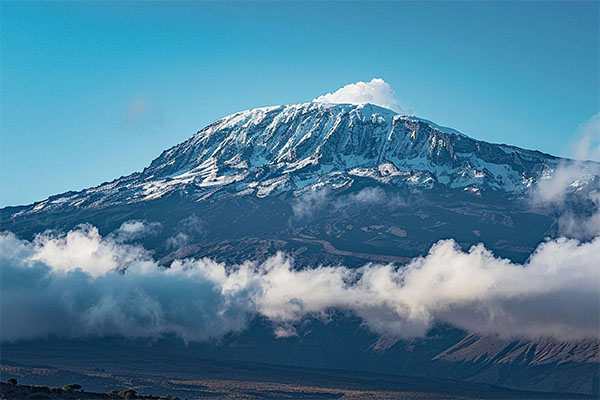
About Umbwe Route
The Umbwe Route is the steepest and most direct route to Uhuru Peak. It is recommended only for experienced climbers with strong fitness levels. This route offers dramatic scenery, fast elevation gain, and fewer crowds, but it requires careful planning and strong acclimatization support.
The 6-day itinerary is designed to improve your chances of reaching the summit safely, while still maintaining the challenging nature of the route.
Quick Safari Facts
- Duration: 6 Days / 5 Nights
- Route Type: Very Challenging
- Success Rate: Moderate (depends on acclimatization)
- Starting Point: Umbwe Gate
- Ending Point: Mweka Gate
Safari Itinerary
Day 1: Umbwe Gate – Umbwe Cave Camp
Distance: 6 km
Duration: 4–6 hours
Altitude: 1,800 m → 2,950 m
You start through dense rainforest and climb steeply to Umbwe Cave Camp. This day is demanding and sets the pace for the climb.
Day 2: Umbwe Cave – Barranco Camp
Distance: 7–9 km
Duration: 6–8 hours
Altitude: 2,950 m → 3,960 m
A steep climb through moorland, reaching Barranco Camp. This day is long and helps your body adjust to higher altitude.
Day 3: Barranco Camp – Karanga Camp
Distance: 5–7 km
Duration: 4–6 hours
Altitude: 3,960 m → 4,035 m
You traverse the Barranco Wall and head to Karanga Camp for acclimatization.
Day 4: Karanga Camp – Barafu Camp
Distance: 4–6 km
Duration: 4–5 hours
Altitude: 4,035 m → 4,600 m
A steady climb to Barafu Camp, where you rest and prepare for the summit attempt.
Day 5: Summit Day – Mweka Camp
Summit: Uhuru Peak (5,895 m)
Duration: 10–14 hours
You begin the final ascent around midnight, reach Uhuru Peak at sunrise, and then descend to Mweka Camp.
Day 6: Mweka Camp – Mweka Gate – Arusha
Distance: 10 km
Duration: 4–5 hours
You descend through the rainforest to Mweka Gate. After your certificate and photos, you return to Arusha.
What’s Included
Professional mountain guide
Cook and support staff
Porters for luggage
Park fees and camping fees
All meals on the mountain
Tents, sleeping mats, and camping equipment
Rescue and emergency support
What’s Not Included
Kilimanjaro National Park rescue fees
Personal hiking gear
Tips for guides and porters
Travel insurance
Flights to Tanzania
Best Time to Climb
January – March: Dry season, good visibility
June – October: Best weather and clear skies
November – mid-December: Short rains, fewer climbers
Why Choose This Route
Steepest and most direct route
Fewer climbers and more wilderness
Ideal for experienced and fit trekkers
Dramatic scenery and fast ascent
Shorter time on the mountain
Fitness Requirement
Moderate to high fitness level
Regular hiking or gym training recommended
Ability to walk 6–8 hours per day at altitude