The Whiskey Route
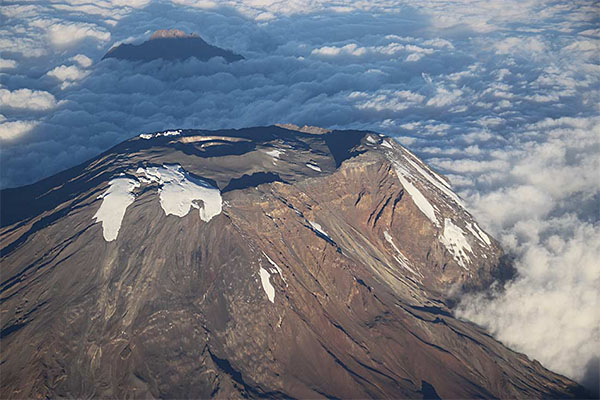
The Machame Route is one of the most scenic paths to the summit of Mount Kilimanjaro. Known as the “Whiskey Route,” it offers a gradual ascent, high success rate, and a variety of ecosystems, including rainforest, heath, moorland, alpine desert, and the famous glacier zone.
This 6-day itinerary is designed to maximize acclimatization and increase your chance of reaching the summit safely.
Quick Safari Facts
- Duration: 6 Days / 5 Nights
- Route Type: Moderate to challenging
- Success Rate: High (with proper acclimatization)
- Starting Point: Machame Gate
- Ending Point: Mweka Gate
Safari Itinerary
Day 1: Machame Gate – Machame Camp
Distance: 11 km
Duration: 5–7 hours
Altitude: 1,800 m → 2,835 m
You begin your journey through the rainforest, enjoying lush vegetation and wildlife. You will arrive at Machame Camp for dinner and overnight.
Day 2: Machame Camp – Shira Camp
Distance: 5–7 km
Duration: 4–6 hours
Altitude: 2,835 m → 3,840 m
You cross the moorland and reach Shira Plateau. The landscape becomes drier, with stunning views of Kibo and Mawenzi peaks.
Day 3: Shira Camp – Barranco Camp
Distance: 10–12 km
Duration: 6–8 hours
Altitude: 3,840 m → 3,960 m
This day is long but scenic. You pass Lava Tower and continue to Barranco Camp, where you rest and acclimatize.
Day 4: Barranco Camp – Karanga Camp
Distance: 5–7 km
Duration: 4–6 hours
Altitude: 3,960 m → 4,035 m
You traverse the Barranco Wall and head to Karanga Valley. This day helps your body adapt before the summit push.
Day 5: Karanga Camp – Barafu Camp
Distance: 4–6 km
Duration: 4–5 hours
Altitude: 4,035 m → 4,600 m
You continue to Barafu Camp, preparing for the summit night. You rest early and hydrate well.
Day 6: Summit Day – Mweka Camp
Summit: Uhuru Peak (5,895 m)
Duration: 10–14 hours
You begin the ascent around midnight to reach the summit at sunrise. After reaching Uhuru Peak, you descend to Mweka Camp for rest and celebration.
Overnight: Mweka Camp
Altitude: 3,100 m
What’s Included
Professional mountain guide
Cook and support staff
Porters for luggage
Park fees and camping fees
All meals on the mountain
Tents, sleeping mats, and camping equipment
Rescue and emergency support
What’s Not Included
Kilimanjaro National Park rescue fees
Personal hiking gear
Tips for guides and porters
Travel insurance
Flights to Tanzania
Best Time to Climb
January – March: Dry season, good visibility
June – October: Best weather and clear skies
November – mid-December: Short rains, fewer climbers
Why Choose This Route
Excellent scenery and diverse landscapes
Good acclimatization profile
High summit success rate
Popular route with great support infrastructure
Ideal for first-time climbers who want a scenic experience
Fitness Requirement
Moderate to high fitness level
Regular hiking or gym training recommended
Ability to walk 6–8 hours per day at altitude